Three planes.One strong runner.
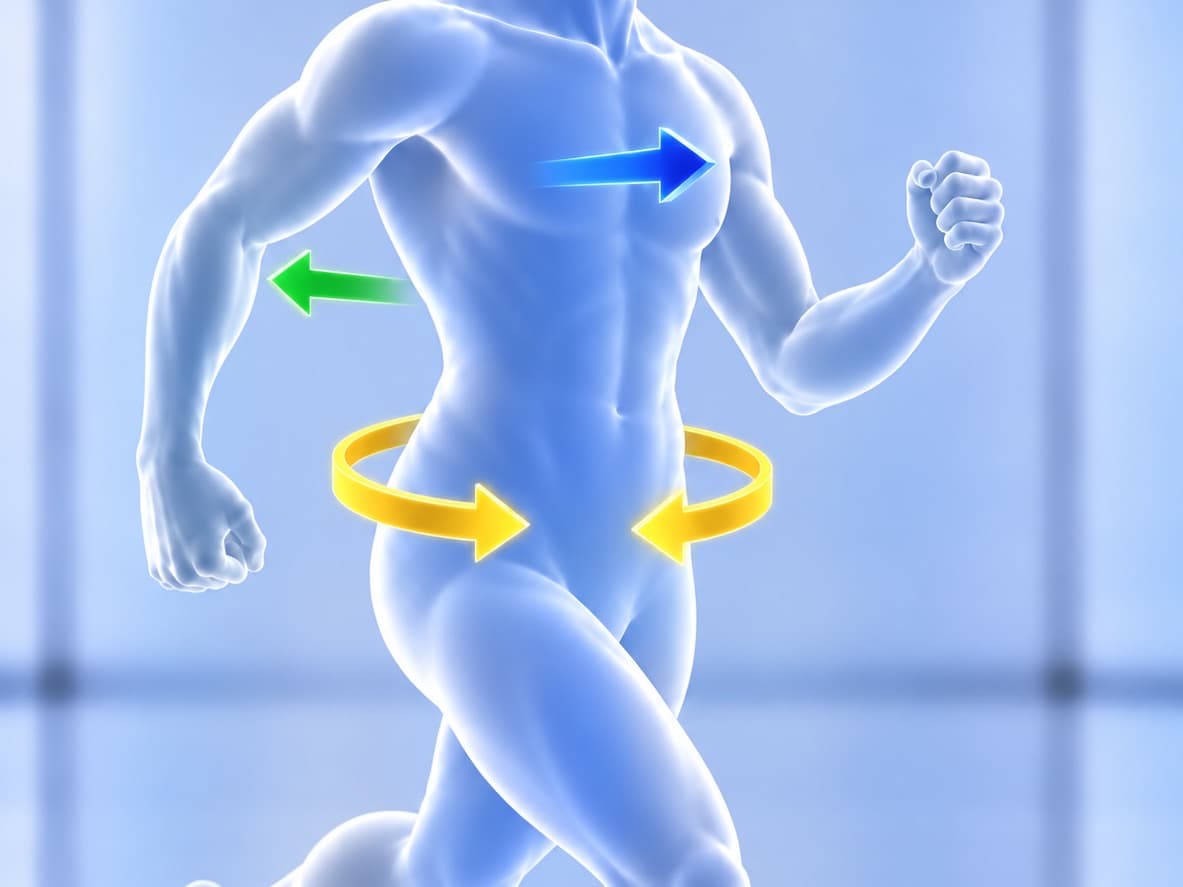
Here's something a lot of runners never hear: your body moves in three planes of motion — forward and back, side to side, and rotational. Most running injuries trace back to a weakness in one of them. Real, lasting running strength — the kind that lets you train hard and stay healthy — comes from moving well in all three.
That's where the name comes from. “Trine” means three-in-one, and it's exactly how I coach — looking at how you move across all three planes, finding the weak links, and building training that makes your stride stronger and more resilient from every angle.
Sagittal plane
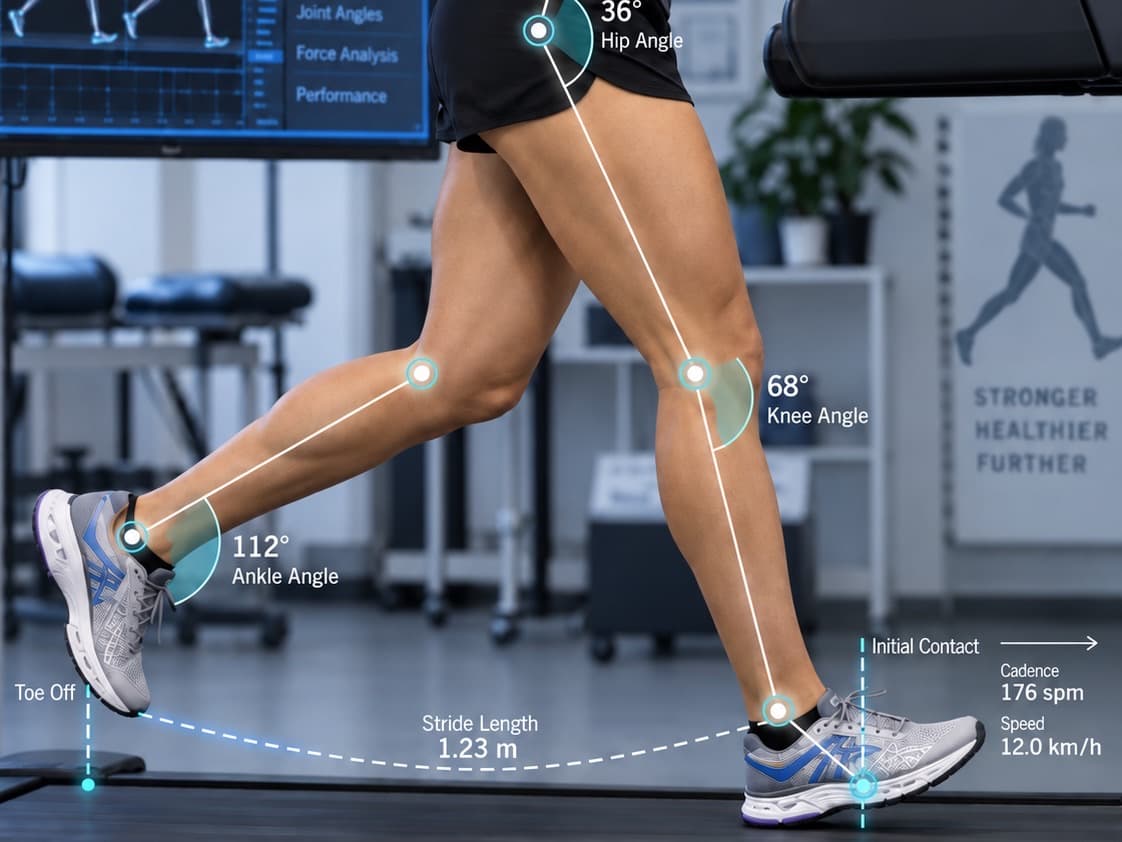
Forward and back — the plane running mostly lives in.
- Cadence and stride timing
- Knee flexion and stride symmetry, left versus right
- Trunk lean relative to direction of travel
- Foot strike position under the body
Frontal plane
Side to side — where hips and knees quietly drift.
- Hip drop on each stance leg
- Knee tracking — collapsing inward or bowing out
- Foot placement crossing the midline
- Shoulder and pelvis levelness
Transverse plane
Twisting — the plane most runners never think about.
- Pelvic and trunk rotation through the stride
- Arm swing crossing the body
- Foot and shin rotation at contact
- How rotation compensates for weakness elsewhere
Here's how we'll work together
We screen.
First, we look at how your body actually moves and find the imbalances and weak spots that lead to injury or hold your running back.
We build.
Your training is shaped around what we find — strengthening the planes where you're vulnerable so you can push harder with less risk, not just piling on more miles.
We sustain.
As you train, I keep an eye on how you're moving and adjust before small issues turn into real injuries — so you can chase the goals in front of you and keep running strong for years to come.
An athletic-training lens
The coaching comes from an athletic-training background, which means the emphasis is on the early signals: the asymmetry that shows up before the pain does, the compensation that's been there for years. Catching it early is the entire game.